
Originally published in April 2013 and comprehensively updated/edited in July 2026.
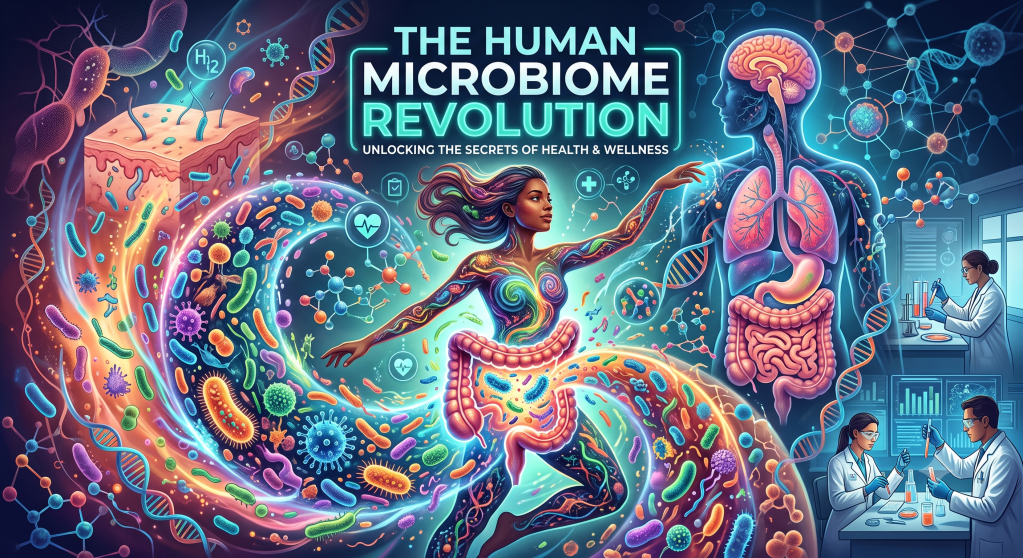
How the Human Microbiome Project reshaped medicine, revealing how trillions of gut bacteria influence digestion, immunity, and possibly the brain.
In the spring of 2013, most people still thought of bacteria the way public health campaigns had trained them to: as germs to be scrubbed away. Antibacterial soap dispensers sat on nearly every kitchen counter. Hand sanitizer had become a fixture of daily life. The dominant cultural message, reinforced for more than a century since the germ theory of disease took hold, was that the fewer microbes near a human body, the better. So when the National Institutes of Health released the first major results of the Human Microbiome Project in June 2012, the findings landed with a kind of quiet disorientation. Scientists were not describing an enemy to be eliminated. They were describing a partner.
The Human Microbiome Project, a multi-year NIH initiative that sequenced the genetic material of microbial communities living in and on healthy human volunteers, produced a picture that ran against decades of hygiene-focused public health messaging. The average human host, the project confirmed, carries trillions of bacteria, fungi, and other microorganisms, concentrated in the gut but also present on the skin, in the mouth, in the nose, and elsewhere. These organisms outnumber human cells by a wide margin, though later refinements to that estimate would settle closer to a roughly one-to-one ratio rather than the ten-to-one figure often repeated in early coverage. Collectively, this community carries far more genetic material than the human genome itself, and it does far more than simply exist alongside us. It helps digest food, trains the immune system, and, in ways researchers were only beginning to map, may influence the brain.
A Body Reimagined as an Ecosystem
Before the Human Microbiome Project, biomedical research had already established that certain bacteria played specific, well-defined roles in health and disease. Helicobacter pylori caused stomach ulcers. E. coli overgrowth caused food poisoning. The framework was largely adversarial: identify the harmful organism, then treat or eliminate it. What the microbiome project offered was a different lens entirely, one borrowed partly from ecology. Rather than asking which single microbe causes which single disease, researchers began asking what a healthy microbial community looks like as a whole, and how its balance, diversity, and function relate to human health.
Launched in 2007 and funded through the NIH Common Fund, the project sequenced samples from roughly 300 healthy adults across body sites including the gut, skin, mouth, nose, and vaginal tract. The results, published jointly across two landmark Nature papers in June 2012 along with a series of companion studies, offered the first population-scale map of what a “normal” human microbiome actually contains. <cite index=”6-1″>The project identified an estimated 81 to 99 percent of the microbial genera, enzyme families, and community configurations present in a healthy Western population</cite>, a scope that had not previously been attempted at this scale.
One of the more striking findings involved variability. <cite index=”8-1″>Even among healthy people, researchers found that the specific microbes occupying a given body site, such as the gut or skin, varied remarkably from person to person</cite>. Two people with no signs of illness could carry almost entirely different sets of gut bacteria and still be considered equally healthy. This was, in a sense, humbling for a field that had hoped to define a single microbial blueprint for wellness. What the data suggested instead was something more like a functional equivalence: <cite index=”6-1″>while the specific species present varied widely, the metabolic pathways those communities carried out tended to remain stable across individuals</cite>, meaning different combinations of bacteria could accomplish similar biological jobs. That distinction, between “who is there” and “what they do,” became a foundational concept in the field, and it is one reason later microbiome research shifted increasingly toward studying function rather than simply cataloguing species.
Why the Timing Mattered
The project’s reception cannot be separated from the broader anxieties of the early 2010s. This was a period marked by rising rates of asthma, food allergies, autoimmune disease, and obesity in industrialized countries, trends that public health researchers had been documenting for years without a fully satisfying explanation. The “hygiene hypothesis,” first proposed in the late 1980s, had already suggested that reduced exposure to microbes in early childhood might be contributing to immune dysregulation. The Human Microbiome Project arrived at a moment when that idea was gaining traction in both scientific and popular circles, and it offered something the hygiene hypothesis alone could not: a detailed, molecular inventory of exactly what was being lost.
There was also a psychological undercurrent to the moment. The early 2010s saw growing public unease about processed food, industrial agriculture, and the long-term consequences of a highly sanitized, antibiotic-heavy approach to medicine. Books and documentaries about gut health began appearing with increasing frequency. Probiotic yogurt marketing, which had existed for years, intensified. None of this was driven directly by the Human Microbiome Project’s technical papers, which few members of the public ever read, but the project gave scientific legitimacy to a cultural instinct that was already forming: that our relationship with bacteria might be more cooperative than combative.
From Digestion to Immunity: What the Microbiome Actually Does
The clearest and most well-established contributions of the microbiome involve digestion and immune function, and it is worth spending time on these before turning to the more speculative territory of brain and behavior.
Digestive Function
Human digestive enzymes cannot break down many of the complex carbohydrates found in plant fiber. Gut bacteria can. Through fermentation, certain bacterial species convert otherwise indigestible fiber into short-chain fatty acids, compounds that serve as an energy source for the cells lining the colon and appear to play a role in regulating inflammation throughout the body. This is not a minor supporting function. Estimates from microbiome researchers suggest gut bacteria contribute a meaningful share of the calories humans extract from certain foods, and the composition of an individual’s gut community may partly explain why two people eating identical diets can process them differently.
Immune Training
Perhaps more consequential than digestion is the microbiome’s role in shaping the immune system, particularly during early childhood. A large share of the body’s immune tissue resides in and around the gut, in close physical contact with resident bacteria. Research building on the Human Microbiome Project’s foundational data has suggested that early exposure to a diverse microbial community helps calibrate the immune system, teaching it to distinguish between genuine threats and harmless substances such as pollen, pet dander, or certain foods. When that calibration process is disrupted, whether through cesarean delivery, formula feeding, antibiotic use, or an unusually sanitized early environment, some researchers hypothesize that the immune system may become more prone to overreacting later in life, contributing to allergic and autoimmune conditions. It is important to note that this remains an active area of research with many open questions; the relationship is associative in much of the human data, and establishing clear causal mechanisms in people, as opposed to laboratory animals, has proven difficult.
The Gut-Brain Question
No aspect of the microbiome revolution generated more public fascination, or more scientific caution, than the possibility of a connection between gut bacteria and the brain.
The biological plausibility of a gut-brain link is not far-fetched on its face. The gut is lined with its own extensive nervous system, sometimes informally called the “second brain,” containing hundreds of millions of neurons that communicate constantly with the central nervous system via the vagus nerve. Gut bacteria produce or influence the availability of several neurotransmitters and their precursors, including serotonin, a large share of which is actually manufactured in the gut rather than the brain, and hormonal signals tied to appetite and stress. In mice raised entirely without any microbes, a research model known as “germ-free,” scientists have documented altered stress responses, changes in brain chemistry, and differences in social behavior compared to normally colonized animals. Some of these effects could be at least partially reversed by introducing specific bacterial strains, a result that generated considerable excitement in the years following the microbiome project’s initial publications.
Human evidence has been slower to accumulate and considerably harder to interpret. Correlational studies have found differences in gut microbial composition between people with depression, anxiety, or autism spectrum conditions and those without, but correlation in this space is especially difficult to untangle. Diet, medication use, physical activity, and the conditions themselves can all independently alter gut bacteria, making it hard to determine whether microbial differences are a cause of psychological symptoms, a consequence of them, or simply a byproduct of some third factor such as reduced dietary variety during a depressive episode.
Clinical trials testing whether specific probiotic strains, sometimes termed “psychobiotics” in popular science writing, can meaningfully improve mood or anxiety in humans have produced mixed and generally modest results. As of the most recent evaluations, the gut-brain axis remains a genuinely promising area of neuroscience and gastroenterology, though one where popular claims about a specific yogurt or supplement noticeably altering mental health have not yet been matched by the trial data.
This gap between plausibility and proof is worth dwelling on, because it illustrates a pattern that recurred throughout the microbiome’s decade in the spotlight. A finding in mice, often striking and mechanistically elegant, would be reported in the press with a translation to human implications that the original researchers themselves had not claimed. The Human Microbiome Project’s own scientists were, in the primary literature, notably careful about this distinction. The gap between careful science and confident headlines opened elsewhere, in the space between publication and public consumption.
The Second Phase: From Cataloguing to Mechanism
The initial 2012 results amounted to a census: a description of what a healthy microbiome contains. The project’s second phase, known as the Integrative Human Microbiome Project and completed roughly a decade later, attempted something more ambitious: tracking how microbial communities change over time in people experiencing specific health transitions. <cite index=”2-1″>That second phase followed dynamic changes in the microbiome and host across three conditions: pregnancy and preterm birth, inflammatory bowel disease, and the physiological stress associated with prediabetes</cite>.
This shift, from a static inventory to a longitudinal, mechanism-focused approach, reflected a broader maturation in the field. Simply knowing which bacteria are present at a single point in time turned out to be less useful than understanding how a community shifts in response to diet, illness, medication, or stress, and whether those shifts precede disease or follow it. <cite index=”2-1″>The research to date has begun to clarify some of the mechanisms behind host-microbiome interactions in these conditions, while also generating shared data resources intended to support future studies using multiple layers of biological measurement simultaneously</cite>. The scope of what researchers consider relevant to microbiome science has also broadened considerably. <cite index=”2-1″>Investigation into human-associated microbiology now extends well beyond infectious and gastrointestinal disease into areas such as metabolism, cancer biology, maternal and child health, and central nervous system function</cite>, territory that would have seemed only loosely connected to gut bacteria when the project began.
A Decade of Diagnostics and Therapeutics
Beyond its influence on basic science, the Human Microbiome Project helped catalyze a wave of clinical applications, some well-validated, others still emerging.
Fecal microbiota transplantation, in which stool from a healthy donor is introduced into the gut of a patient with a severe bacterial imbalance, had existed in limited use before the project but gained substantially more scientific attention and regulatory clarity in the years that followed. It has become an established, evidence-backed treatment for recurrent infections caused by Clostridioides difficile, a bacterium that can take over the gut after antibiotic use and cause severe, sometimes life-threatening diarrhea. This remains one of the clearest examples of microbiome science translating directly into a therapy with strong clinical trial support.
Other applications have moved more cautiously. Microbiome-based diagnostic tests, marketed directly to consumers and promising insights into digestive health, disease risk, or dietary optimization based on a stool sample, proliferated through the 2010s and into the 2020s. The scientific community’s assessment of these tests has generally been measured: while they can accurately describe which microbial species are present, the ability to translate that snapshot into specific, actionable health recommendations for an individual has lagged well behind the marketing built around it. Similarly, the probiotic supplement industry expanded dramatically following the microbiome’s rise in public awareness, though the evidence supporting specific strains for specific conditions varies enormously, and few over-the-counter products have been tested with the rigor applied to prescription-grade interventions like fecal transplantation.
The Cultural Afterlife of a Scientific Discovery
What makes the Human Microbiome Project an unusually interesting case study, beyond its biological findings, is how visibly it traveled from laboratory to culture. Few areas of basic biomedical research have so quickly reshaped everyday behavior. Within a few years of the 2012 publications, “gut health” had become a mainstream wellness category, appearing in grocery store branding, fitness app language, and casual conversation in a way that would have seemed unusual a decade earlier. Fermented foods, kombucha, kimchi, and sauerkraut, long-standing traditional foods in many cultures, were rebranded and marketed to a health-conscious American and European audience largely on the strength of their presumed microbiome benefits, often with less rigorous evidence behind specific claims than the branding implied.
This pattern, scientific finding translating into consumer product faster than the science itself resolves, is not unique to the microbiome, but the microbiome offers a particularly clean example of it. It illustrates something worth understanding about how discoveries move through a society: technical uncertainty, hedged and qualified in the original research, tends to be smoothed away as it passes through layers of science journalism, marketing, and word-of-mouth repetition. A tentative correlation between gut bacteria and mood in a mouse study can, within a few retellings, become “gut bacteria control your emotions” on a supplement label. None of this is necessarily evidence of bad faith; it may simply reflect the human tendency to prefer clear, actionable stories over probabilistic, incomplete ones. But it does mean that public understanding of the microbiome, more than a decade after the project’s initial results, likely runs ahead of what the underlying science can currently support in several key areas, particularly around mental health and precision diagnostics.
What the Microbiome Project Got Right, and What Remains Uncertain
Looking back from 2026, several aspects of the Human Microbiome Project’s legacy are reasonably well established. The core finding, that the human body hosts a vast, individually variable, functionally important community of microorganisms, has held up and been extended by subsequent research, including larger genomic surveys conducted later in the decade. The role of gut bacteria in digestion and immune training is well supported by a substantial and growing body of evidence. Fecal transplantation for C. difficile infection stands as a genuine clinical success story that traces its scientific legitimacy directly back to this era of research.
Other claims remain considerably less settled. The gut-brain connection, while biologically plausible and actively studied, has not yet produced the kind of robust, replicated human clinical evidence that would justify the more sweeping claims found in popular wellness media. Personalized microbiome-based medicine, the idea that a stool sample could reliably guide individualized dietary or therapeutic recommendations, remains more aspiration than routine clinical practice. And the broader question of causation, whether specific microbiome differences drive disease or simply accompany it, continues to require the kind of careful, controlled, long-term human research that is inherently slower and less headline-friendly than the original discovery phase.
Conclusion: A Reframing That Outlasted Its Headlines
The Human Microbiome Project did not cure a disease or produce a single blockbuster therapy in the way some early coverage implied it might. Its real legacy is quieter and, in some ways, more foundational: it changed the basic framework through which medicine and the public understand the human body. The shift from viewing bacteria primarily as threats to viewing them as an integrated, largely beneficial ecosystem represents a genuine conceptual advance, one that continues to shape research questions across immunology, gastroenterology, and increasingly, neuroscience.
More than a decade after the initial 2012 publications, the field has matured in a familiar way, moving from an exciting phase of broad discovery into a slower, more rigorous phase of mechanism and validation. This is, in many respects, how good science is supposed to work, even if it disappoints an audience that had grown accustomed to the more dramatic framing of the discovery years. The trillions of microbial cells inhabiting the human body have not turned out to be a simple explanation for modern illness, nor a straightforward path to optimized health through the right probiotic or fermented food. What they have become is something more durable: a permanent addition to how biology understands what a human body actually is, and an open invitation to a next generation of researchers to sort out which of the microbiome’s many promises will ultimately prove real.
Scientific Reference
Human Microbiome Project Consortium. (2012). Structure, function and diversity of the healthy human microbiome. Nature, 486(7402), 207–214.
Human Microbiome Project Consortium. (2012). A framework for human microbiome research. Nature, 486(7402), 215–221.
Integrative HMP (iHMP) Research Network Consortium. (2019). The Integrative Human Microbiome Project. Nature, 569(7758), 641–648.
Yatsunenko, T., et al. (2012). Human gut microbiome viewed across age and geography. Nature, 486(7402), 222–227.
Zhernakova, A., et al. and related NIH Common Fund publications on human microbiome science highlights, National Institutes of Health Common Fund.









